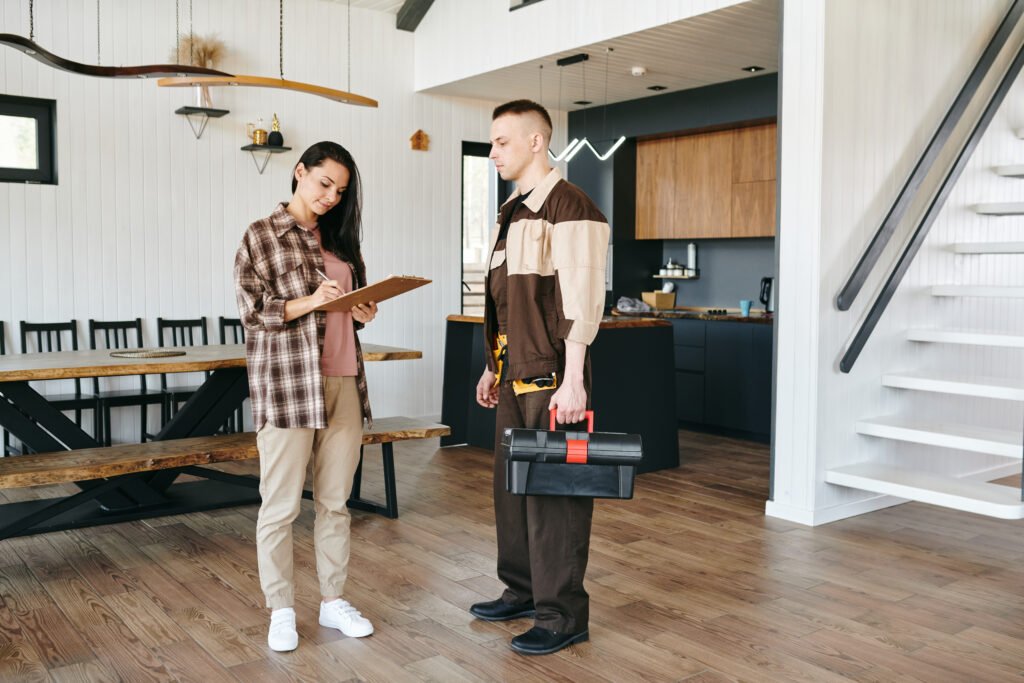
Creating a safe and clean living environment is more than a necessity—it’s a hallmark of excellent property management. As a property manager, ensuring the safety and cleanliness of your residential community not only boosts resident satisfaction and retention but also enhances the overall value and reputation of your property. This comprehensive guide provides expert strategies for implementing proactive measures that guarantee a secure and pristine living space for all residents. By adopting these proven techniques, you can transform your property into a thriving, healthy community that residents are proud to call home.
1. Regular Property Inspections: Regular property inspections are crucial for identifying potential hazards and maintenance needs before they escalate into serious issues. Implementing a thorough inspection schedule ensures that all aspects of the property are kept in top condition.
- Routine Inspections: Conduct regular inspections of all common areas, residential units, and exterior spaces. Look for signs of wear and tear, potential safety hazards, and cleanliness issues.
- Detailed Checklists: Use detailed checklists to ensure no aspect of the property is overlooked. Include checks for fire safety equipment, electrical systems, plumbing, and structural integrity.
- Professional Assessments: Hire professional inspectors for specialized assessments, such as pest control, HVAC systems, and mold detection. Regular professional inspections can prevent long-term damage and health risks.
2. Effective Waste Management: Effective waste management is essential for maintaining a clean living environment. Implementing comprehensive waste disposal and recycling programs can reduce litter, prevent pest infestations, and promote sustainability.
- Recycling Programs: Establish convenient recycling stations throughout the property, including separate bins for paper, plastic, glass, and metal. Educate residents about proper recycling practices.
- Composting: Encourage residents to compost organic waste by providing compost bins and educational resources. Composting reduces landfill waste and creates valuable fertilizer for community gardens.
- Regular Waste Collection: Schedule regular waste collection to prevent overflow and odors. Ensure waste bins are clean and well-maintained to avoid attracting pests.
3. Pest Control Measures: Pest infestations can pose significant health risks and damage property. Implementing proactive pest control measures can prevent infestations and ensure a safe living environment.
- Regular Inspections: Conduct regular pest inspections to identify and address potential infestations early. Look for signs of pests such as droppings, nests, and damage to property.
- Integrated Pest Management (IPM): Use IPM strategies that focus on prevention, monitoring, and control. This approach minimizes the use of harmful chemicals and promotes long-term pest management.
- Resident Education: Educate residents on how to prevent pests, such as keeping food sealed, disposing of waste properly, and reporting signs of pests immediately.
4. Fire Safety Protocols: Fire safety is a critical aspect of property management. Implementing comprehensive fire safety protocols can protect residents and property from fire hazards.
- Smoke Alarms and Fire Extinguishers: Ensure all residential units and common areas are equipped with working smoke alarms and fire extinguishers. Regularly test and maintain these devices.
- Emergency Evacuation Plans: Develop and communicate clear emergency evacuation plans. Conduct regular fire drills to ensure residents know how to respond in case of a fire.
- Fire Safety Education: Provide fire safety education for residents, including how to use fire extinguishers, the importance of smoke alarms, and what to do in the event of a fire.
5. Clean Air and Water Initiatives: Ensuring clean air and water is fundamental for resident health. Implementing measures to maintain high air and water quality can prevent health issues and improve overall well-being.
- Air Purifiers: Install air purifiers in common areas and encourage residents to use them in their units. Air purifiers can reduce allergens, pollutants, and airborne pathogens.
- Regular HVAC Maintenance: Ensure HVAC systems are regularly maintained and filters are replaced. Proper maintenance can improve air quality and system efficiency.
- Water Quality Testing: Conduct regular water quality testing to ensure safe drinking water. Address any contaminants promptly and inform residents about water quality issues and solutions.
6. Enhanced Security Measures: Security is a top priority for residents. Implementing enhanced security measures can provide peace of mind and protect residents from potential threats.
- Security Cameras: Install security cameras in common areas, entrances, and parking lots. Regularly monitor and maintain the camera system to ensure optimal performance.
- Access Control Systems: Use access control systems, such as key fobs or biometric scanners, to restrict access to residential buildings and common areas. This can prevent unauthorized entry and enhance resident safety.
- Security Patrols: Hire security personnel to conduct regular patrols of the property. Visible security presence can deter criminal activity and respond quickly to incidents.
7. Emergency Preparedness Programs: Being prepared for emergencies is crucial for community safety. Implementing comprehensive emergency preparedness programs can ensure residents know how to respond to various scenarios.
- Emergency Kits: Provide emergency kits in common areas and encourage residents to keep their own kits in their units. Kits should include essentials such as water, food, first aid supplies, and flashlights.
- Emergency Communication Plans: Develop clear communication plans for emergencies, including how to contact residents and where to get updates. Use multiple communication channels such as email, text, and social media.
- Regular Drills and Training: Conduct regular emergency drills and training sessions for residents and staff. Practice scenarios such as fires, earthquakes, and severe weather to ensure everyone is prepared.
8. Cleanliness and Hygiene Standards: Maintaining high cleanliness and hygiene standards is essential for a healthy living environment. Implementing rigorous cleaning protocols can prevent the spread of illness and promote resident well-being.
- Cleaning Schedules: Establish and adhere to regular cleaning schedules for all common areas, including lobbies, gyms, laundry rooms, and hallways. Increase frequency during flu season or pandemics.
- Sanitizing Stations: Install hand sanitizing stations in high-traffic areas to encourage good hygiene practices. Ensure stations are regularly refilled and maintained.
- Professional Cleaning Services: Hire professional cleaning services to perform deep cleaning and sanitization, especially in high-touch areas. Use eco-friendly cleaning products to minimize environmental impact.
9. Maintenance of Outdoor Areas: Outdoor areas are essential for resident enjoyment and well-being. Regular maintenance of these spaces ensures they remain safe, clean, and inviting.
- Landscaping: Maintain landscaping by regularly mowing lawns, trimming bushes, and planting seasonal flowers. Use sustainable practices such as xeriscaping to reduce water usage.
- Playground Safety: Regularly inspect playground equipment for wear and tear. Ensure surfaces are clean and safe, and replace damaged equipment promptly.
- Lighting: Ensure outdoor areas are well-lit to enhance safety. Regularly inspect and replace any broken or dim lights.
10. Resident Engagement and Education: Engaging and educating residents about safety and cleanliness can foster a sense of community and collective responsibility. Effective communication and involvement strategies include:
- Community Meetings: Hold regular community meetings to discuss safety and cleanliness initiatives, gather feedback, and address resident concerns.
- Newsletters and Notices: Use newsletters and notices to inform residents about upcoming inspections, maintenance schedules, and safety tips. Highlight any changes or improvements in safety protocols.
- Workshops and Training: Offer workshops and training sessions on topics such as fire safety, pest prevention, and emergency preparedness. Encourage residents to participate and learn how to contribute to a safe and clean environment.
Proactive measures to ensure safe and clean living environments are essential for enhancing resident satisfaction and promoting community wellness. By implementing regular property inspections, effective waste management, pest control measures, fire safety protocols, clean air and water initiatives, enhanced security measures, emergency preparedness programs, high cleanliness and hygiene standards, maintenance of outdoor areas, and resident engagement and education, property managers can create a thriving, healthy community.
Investing in these proactive measures not only improves the quality of life for residents but also increases the overall appeal and value of the property. By fostering a safe and clean living environment, property managers demonstrate their commitment to resident well-being, leading to higher retention rates and a more vibrant community.
Are you ready to elevate the safety and cleanliness of your residential property? Contact us today to learn how Real Estate Market Stewardship can help you implement these proactive measures and create a secure, healthy living environment for all residents.
Ensure a Safe and Clean Living Environment Today | Contact Us | Learn More About Our Proactive Safety and Cleanliness Initiatives