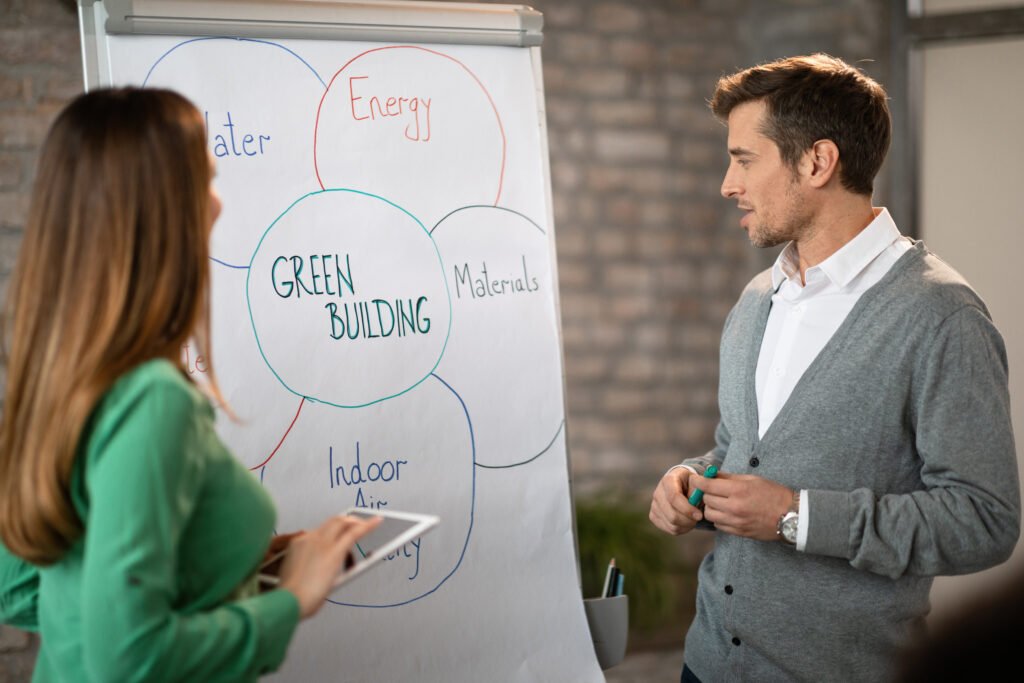
Sustainable living is more than just a trend; it’s a vital approach to creating healthier, happier communities. By integrating green practices into residential properties, property managers can significantly enhance community wellness, reduce environmental impact, and foster a sense of collective responsibility among residents. This comprehensive guide explores how sustainable living practices can improve the quality of life for residents, provide actionable strategies for property managers, and highlight the benefits of embracing green initiatives.
1. Benefits of Sustainable Living: Adopting sustainable living practices offers numerous benefits that extend beyond environmental conservation. For communities, these benefits include:
- Improved Health: Green practices often lead to improved air and water quality, which can reduce respiratory issues and other health problems among residents.
- Cost Savings: Energy-efficient appliances, water-saving fixtures, and waste reduction programs can lower utility bills and operational costs.
- Enhanced Community Engagement: Sustainable living fosters a sense of community as residents work together towards common goals, such as recycling and maintaining green spaces.
- Increased Property Value: Properties that prioritize sustainability often attract more residents and can command higher rental or resale values.
2. Energy Efficiency Initiatives: Improving energy efficiency is a cornerstone of sustainable living. Property managers can implement several strategies to reduce energy consumption and promote a more sustainable community:
- Energy-Efficient Appliances: Encourage or require the use of ENERGY STAR-rated appliances in all units. These appliances use less energy, reducing utility costs and environmental impact.
- LED Lighting: Replace traditional incandescent bulbs with LED lighting throughout the property. LEDs use significantly less energy and have a longer lifespan.
- Smart Thermostats: Install smart thermostats in common areas and offer incentives for residents to install them in their units. These devices can optimize heating and cooling, leading to energy savings.
- Solar Panels: Consider installing solar panels to generate renewable energy for common areas or individual units. This can significantly reduce reliance on non-renewable energy sources.
3. Water Conservation Measures: Water conservation is crucial for sustainable living. Implementing water-saving measures can reduce water usage and lower utility bills while promoting environmental responsibility:
- Low-Flow Fixtures: Install low-flow faucets, showerheads, and toilets in all units and common areas. These fixtures use less water without sacrificing performance.
- Smart Irrigation Systems: Use smart irrigation systems to water landscaping efficiently. These systems can adjust watering schedules based on weather conditions and soil moisture levels.
- Rainwater Harvesting: Implement rainwater harvesting systems to collect and reuse rainwater for irrigation and other non-potable uses.
- Educational Campaigns: Educate residents about the importance of water conservation and provide tips on reducing water usage, such as fixing leaks promptly and using water-efficient appliances.
4. Waste Reduction and Recycling Programs: Effective waste management is essential for a sustainable community. Property managers can implement comprehensive waste reduction and recycling programs to minimize landfill waste and promote recycling:
- Recycling Stations: Set up convenient recycling stations throughout the property, including separate bins for paper, plastic, glass, and metal.
- Composting: Encourage residents to compost organic waste by providing compost bins and educational resources on composting benefits and practices.
- Waste Audits: Conduct regular waste audits to identify areas where waste can be reduced and recycling efforts can be improved.
- Educational Workshops: Host workshops and provide materials on the importance of waste reduction and how to recycle properly. These can include demonstrations on composting and tips for reducing single-use plastics.
5. Promoting Green Transportation: Transportation is a significant contributor to greenhouse gas emissions. Encouraging residents to use green transportation options can reduce the community’s carbon footprint and promote healthier lifestyles:
- Bicycle Facilities: Provide secure bicycle storage, repair stations, and encourage cycling by offering bike-sharing programs.
- Public Transit Incentives: Offer incentives for residents to use public transportation, such as subsidized transit passes or shuttle services to nearby transit hubs.
- Carpooling Programs: Promote carpooling by creating a community carpooling board or partnering with ride-sharing apps to offer discounts.
- Electric Vehicle Charging Stations: Install EV charging stations to support residents who own electric vehicles, encouraging the shift away from fossil fuel-powered cars.
6. Creating and Maintaining Green Spaces: Green spaces are vital for community wellness, offering residents places to relax, exercise, and connect with nature. Property managers can enhance these spaces by:
- Community Gardens: Establish community gardens where residents can grow their own vegetables and herbs, promoting healthy eating and sustainability.
- Native Plant Landscaping: Use native plants in landscaping to reduce water usage and support local wildlife.
- Parks and Playgrounds: Create parks and playgrounds with eco-friendly materials, providing safe and enjoyable spaces for children and families.
- Green Roofs and Walls: Incorporate green roofs and living walls into building designs to improve air quality and reduce heat island effects.
7. Indoor Air Quality Improvements: Indoor air quality has a significant impact on residents’ health and well-being. Property managers can take several steps to ensure clean and healthy indoor air:
- Air Purifiers: Install air purifiers in common areas and encourage residents to use them in their units, particularly in areas with high pollution levels.
- Regular Maintenance: Ensure HVAC systems are regularly maintained and filters are replaced to prevent the buildup of dust and pollutants.
- Low-VOC Materials: Use low-VOC (volatile organic compounds) paints, finishes, and building materials to reduce indoor air pollution.
- Houseplant Programs: Promote the use of houseplants known for their air-purifying qualities, such as spider plants, peace lilies, and snake plants.
8. Sustainable Community Events: Organizing community events focused on sustainability can engage residents and promote eco-friendly practices. These events can include:
- Green Fairs: Host green fairs that showcase eco-friendly products, services, and technologies. Invite local vendors and organizations to participate.
- Workshops and Seminars: Offer workshops and seminars on topics such as energy conservation, waste reduction, and sustainable gardening.
- Clean-Up Days: Organize community clean-up days where residents work together to clean and beautify common areas, parks, and local neighborhoods.
- Sustainability Challenges: Create friendly competitions that encourage residents to adopt sustainable practices, such as reducing energy usage or increasing recycling efforts.
9. Encouraging Sustainable Practices Among Residents: Engaging residents in sustainable living practices is crucial for the success of green initiatives. Property managers can encourage sustainable behavior by:
- Green Living Guides: Provide residents with comprehensive guides on sustainable living, covering topics such as energy conservation, water saving, and waste reduction.
- Incentive Programs: Implement incentive programs that reward residents for adopting eco-friendly practices, such as discounts on rent or utility bills for reduced energy consumption.
- Resident Committees: Establish resident committees dedicated to sustainability, allowing residents to take an active role in planning and promoting green initiatives.
- Communication Platforms: Use newsletters, social media, and community boards to regularly communicate sustainability tips, updates, and success stories.
10. Partnerships with Local Environmental Organizations: Collaborating with local environmental organizations can enhance the effectiveness of sustainability efforts and provide additional resources and expertise:
- Joint Projects: Partner with local environmental groups on joint projects, such as tree planting, community gardens, or clean-up events.
- Educational Resources: Utilize resources and expertise from environmental organizations to educate residents and staff about sustainability.
- Volunteer Opportunities: Provide residents with opportunities to volunteer with local environmental organizations, fostering a sense of community and environmental stewardship.
- Grants and Funding: Seek grants and funding opportunities available through environmental organizations to support green initiatives.
11. Sustainable Building and Renovation Practices: When constructing new buildings or renovating existing ones, using sustainable practices can have a long-lasting impact on community wellness. Consider the following strategies:
- Green Building Certifications: Aim for certifications such as LEED (Leadership in Energy and Environmental Design) to ensure buildings meet high sustainability standards.
- Energy-Efficient Windows and Insulation: Use energy-efficient windows and proper insulation to reduce energy consumption and improve indoor comfort.
- Sustainable Materials: Choose sustainable building materials, such as recycled steel, reclaimed wood, and bamboo, to reduce environmental impact.
- Water-Efficient Landscaping: Design landscaping that minimizes water use, such as xeriscaping, which uses drought-tolerant plants and efficient irrigation systems.
12. Educational Programs for Children and Youth: Educating the younger generation about sustainability is essential for fostering long-term environmental stewardship. Property managers can implement educational programs that engage children and youth:
- Eco-Clubs: Establish eco-clubs where children can learn about sustainability through hands-on activities and projects.
- Environmental Education Workshops: Offer workshops that teach children about recycling, conservation, and the importance of protecting the environment.
- School Partnerships: Partner with local schools to integrate sustainability education into their curriculum and organize joint events and projects.
- Outdoor Learning Spaces: Create outdoor learning spaces, such as nature trails or educational gardens, where children can explore and learn about the environment.
Embracing sustainable living practices is a powerful way to enhance community wellness, reduce environmental impact, and foster a sense of collective responsibility among residents. By implementing energy efficiency initiatives, water conservation measures, waste reduction programs, and promoting green transportation, property managers can create healthier, happier communities. Additionally, creating and maintaining green spaces, improving indoor air quality, and organizing sustainable community events can further enhance residents’ quality of life.
Engaging residents in sustainable practices, partnering with local environmental organizations, and adopting sustainable building and renovation practices are essential steps towards a more sustainable future. Educational programs for children and youth ensure that the next generation is equipped with the knowledge and passion to continue these efforts.
Are you ready to transform your residential property into a model of sustainable living? Contact us today to learn how Real Estate Market Stewardship can help you implement these green practices and create a thriving, environmentally responsible community.
Start Your Sustainability Journey Today | Contact Us | Learn More About Our Green Initiatives